Boston College Athletics
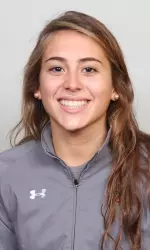
Swimming's Manning Provides Health Care in Panama
June 24, 2014 | Swimming
June 24, 2014
Elizabeth Manning, a sophomore on the Boston College swimming and diving team, spent a week in Panama with the BC chapter of Global Brigades. Global Brigades is a student-led health and sustainable development organization that has chapters at universities all over the world. The BC chapter is new this year, and Manning, a psychology major and medical humanities minor, serves on the executive board as the chair of public relations.

The BC chapter of Global Medical Brigades made its inaugural trip to Panama this year. We arrived on May 24th in Panama City and traveled by bus for about five hours to a town near Zapallal, in the province of Darien. For six days, we assisted doctors, dentists, and pharmacists running a free mobile medical clinic in a local school. The clinic served both Latinos and indigenous people from the local communities. We provided medication and healthcare information to the 150 adults and children who came every day. Some came for just a checkup and vitamins, but others had various physical injuries or infections that needed attention and treatment. We worked side by side with the doctors, enabling us to learn as they diagnosed the patients. The most common diagnosis was a parasitic infection called scabies, where mites burrow into the skin and cause an itchy rash. Unfortunately, the hot and damp climate in Panama is the perfect breeding environment for these mites.
The clinic had six different stations: registration, triage, medical consultation, dental, pharmacy, and "charla," the health education program we ran for both adults and children. We rotated every day so that all the "brigaders" had a chance to work at each station. For example, on the first day I worked in registration, where we were responsible for recording the patients' information and detailing their medical history as well as their chief complaints.
I had the opportunity to use my Spanish language skills when helping patients register and did my best to converse with them while they waited. Even so, conversation was difficult at times because many mothers would use the same "cedula" or identification number (like our Social Security numbers) for themselves and all their children. They also often struggled with the spelling of their names or exact ages and birthdays. Despite these challenges, I loved being at registration because I was able to connect with many different patients.
 Manning in Panama  | |
On May 29th, our last day, we visited an indigenous community called Arimay where the Embera and Waunaan tribes live. The women of the Embera tribe took us into their homes and taught us about their culture. They explained how they try to balance their traditions with the unavoidable "Westernization" of their lives.
I loved every minute of my time in Panama. Although the supply of medications we gave to the patients will run out, I believe we made a lasting impact on their lives by taking the time to share our knowledge and resources with them. They definitely made a lasting impact on us.


Players Mentioned